

I believe in the beauty of natural settings, which is why I often shoot in the comfort of your own home or amidst the serene outdoors. Let’s embark on this journey together.
EMAIL ME
nicole@nicolemelephotography.com
CALL ME:
+1 (203) 415-1804
Let's Talk
I can’t wait to hear from you! I’m here to create timeless, high-quality photos that capture your story
What to Wear for Professional Headshots in Connecticut
The best outfit for a professional headshot in Connecticut is a well-fitted, solid-colored piece in a jewel tone like navy, burgundy, or forest green, paired with minimal accessories. Avoid busy patterns, logos, and pure white, which can distract from your face or wash out under studio lighting.
Outfit choice feels like a small decision until you’re staring at fifty final images and realizing the pattern you picked is the only thing anyone notices. After years of photographing corporate professionals, attorneys, real estate agents, and entrepreneurs across Connecticut, we’ve learned that wardrobe questions come up in nearly every headshot conversation. This guide answers them.
Why Your Outfit Choice Matters More Than You’d Think
How Color and Pattern Affect the Final Photo
A headshot is a close-up portrait, which means your outfit fills a large part of the frame even though the whole point of the photo is your face. Bright colors, busy patterns, and logos compete for attention in a way they never would in a full-length photo or a video call.
Cameras also render color differently than the naked eye does. A shirt that looks fine in your bathroom mirror can photograph very differently under studio lighting, especially if it has a fine pattern like herringbone or a subtle plaid that can create a strange visual buzzing effect known as moiré.
Simplicity is what protects you from all of this. A solid, well-fitted piece in a flattering color removes the guesswork and keeps every bit of attention on your expression, which is the actual point of the photo.
Fit matters just as much as color, and it’s the detail people overlook most often. A blazer that pulls slightly at the shoulders or a shirt that gapes at the buttons will show up clearly in a close-up portrait, even if it looks fine from across a room. If it’s been a while since you tried on your go-to headshot outfit, do a quick fitting check a few days before your session rather than assuming it still fits the way you remember.
Best Colors for Professional Headshots
Jewel Tones and Why They Work
Jewel tones like navy, burgundy, forest green, and deep teal tend to photograph beautifully across a wide range of skin tones. These colors are rich enough to look intentional and professional without pulling focus away from your face.
Navy in particular is a safe, versatile choice for almost any industry, from corporate finance to law to real estate. It reads as professional and put-together without feeling as severe as solid black can under certain lighting setups.
If you’re not sure which jewel tone suits you best, think about what you already gravitate toward in your everyday wardrobe. The color you feel most confident in tends to photograph the most naturally, because confidence shows up on camera more than any specific hue does.
Skin tone plays a role here too. Warmer skin tones often look especially good in colors like burgundy, rust, and warm navy, while cooler skin tones tend to pop against deep teal, plum, and cooler-toned blues. This isn’t a strict rule, but it’s a useful starting point if you’re standing in front of your closet trying to narrow down options.
Why to Be Careful with Pure White and Black
Pure white clothing can wash out under studio lighting, sometimes reflecting so much light back into the camera that it affects your skin tone in the final image. If white is part of your required uniform or industry standard, such as certain medical or hospitality roles, we can adjust our lighting setup to compensate.
Solid black has the opposite problem. It can look flat or blend into shadow, especially around the shoulders, which sometimes makes a subject appear disconnected from their own outfit in the frame. Black can still work well as an accent or as part of a layered outfit, just not usually as the single dominant color.
Gray sits in a comfortable middle ground and works well for almost anyone, though a slightly warmer charcoal gray tends to photograph better than a very light or cool-toned gray.
If your job or industry requires a specific color, such as a uniform, scrubs, or a company-branded polo, don’t stress about it. We’ve photographed plenty of clients in required work attire, and thoughtful lighting adjustments can make almost any color work well on camera.
Patterns, Textures, and Logos to Avoid
Fine patterns like thin pinstripes, houndstooth, and small plaid can create a visual distortion on camera called moiré, where the pattern appears to shimmer or vibrate in the final image. This effect is more common than most people expect and it’s one of the easiest wardrobe mistakes to avoid entirely.
Busy or large graphic patterns pull the eye away from your face, which defeats the purpose of a headshot. A patterned scarf or tie can work as a small accent, but the primary garment should stay simple.
Visible logos, whether from a clothing brand or a previous employer, tend to date a photo quickly and can look out of place depending on where the image eventually gets used. A t-shirt with a company logo from a job you left two years ago is a common and easily avoidable headshot regret.
Textures matter too, though less dramatically than color and pattern. Smooth, structured fabrics like a blazer or a crisp button-down tend to photograph more cleanly than very textured knits, which can look bulky or lose definition under studio lighting.
A quick trick if you’re unsure whether an outfit will photograph well is to take a plain photo of it on your phone in natural daylight. If the pattern seems to shimmer or the color looks different than expected in the photo, it’s worth choosing a simpler alternative for your actual session.
Dressing for Your Industry
Corporate and Executive Headshots
Corporate and executive headshots typically call for classic business attire: a suit or blazer, a solid shirt or blouse, and understated accessories. The goal is a look that will still feel current and professional in three or four years, since executive headshots often stay in circulation for annual reports, press materials, and company websites for a long time.
If your company has a specific dress code or brand color palette, it’s worth mentioning that when you book. We can help coordinate wardrobe choices that complement your company’s existing visual identity without requiring a strict uniform.
Legal and Professional Services
Attorneys, financial advisors, and other professional services clients tend to lean more formal, and for good reason. A prospective client researching a lawyer online is often making a high-stakes decision, and a polished, classic wardrobe choice reinforces credibility before a single word is exchanged.
A well-fitted suit or blazer in navy or charcoal remains the safest choice for this category. If you’re curious how this plays out in practice, our feature on a full-firm headshot session for the GPS Law team shows what a coordinated, professional wardrobe looks like across an entire office.
Real Estate and Client-Facing Roles
Real estate agents and other client-facing professionals have a bit more flexibility, since the goal is often to look approachable and current rather than strictly formal. Business casual, a blazer over a simple top, or a well-fitted dress can all work well depending on your personal brand and market.
Agents working in more casual or coastal Connecticut markets sometimes lean slightly less formal than their counterparts in downtown Hartford or New Haven, and that’s completely appropriate as long as the overall look stays polished and put-together.
Wellness, Creative, and Entrepreneurial Headshots
Coaches, wellness practitioners, and creative entrepreneurs often benefit from a slightly more relaxed wardrobe that still reads as professional. Soft, solid-colored knits, simple layers, and natural fabrics tend to work well here, especially if your headshot will live alongside lifestyle or branding photography.
The key is still consistency with how you actually show up for clients. If you typically meet clients in structured business attire, dress that way for your headshot. If your brand is built around a warmer, more casual feel, let your wardrobe reflect that honestly rather than overdressing for the camera.
Seasonal Considerations for Connecticut Sessions
Connecticut’s seasons can influence wardrobe choices more than people expect, especially for on-location sessions. A heavier blazer that feels appropriate in a January studio session might look out of place in a July outdoor headshot, so it’s worth thinking about the time of year alongside your industry when planning an outfit.
For studio sessions at The Studio at 100, temperature and season matter less since lighting and environment stay consistent year-round. For on-location or outdoor headshots, layering options give you flexibility to adjust for comfort without changing the overall look of the final images.
What to Wear for Professional Headshots for Men
Suits, Blazers, and Shirts
A well-fitted suit or blazer remains the safest, most versatile choice for men across almost every industry, from law and finance to corporate leadership. Navy and charcoal are the two most reliable colors, since both photograph as polished and professional without looking severe under studio lighting.
Underneath the blazer, a solid button-down shirt in white, light blue, or a soft pastel gives you a clean contrast without competing for attention. Fine patterns like thin pinstripes or subtle checks can work, but only if they’re truly subtle, since anything busier risks the shimmering moiré effect we mentioned earlier in this guide.
If your industry allows a more relaxed approach, a blazer over a simple crewneck or quarter-zip can strike a nice middle ground between formal and approachable, especially for entrepreneurs, coaches, and creative professionals who don’t want to look overly corporate.
Ties, Pocket Squares, and Accessories
A tie is optional for most modern headshots, and whether to wear one usually comes down to your specific industry and personal style. If you do wear one, keep it solid or very subtly patterned, and make sure the knot is tight and centered, since it sits directly in frame in a close-up portrait.
Pocket squares, cufflinks, and other small details can add a touch of personality, but they should stay understated. The goal is a detail someone notices on a second look, not something that pulls focus away from your face on the first one.
Watches and rings are generally fine since they rarely appear in a tight headshot crop, but it’s still worth keeping anything visible simple and classic rather than flashy.
Facial Hair and Grooming for Men
If you have facial hair, groom it a day or two before your session rather than the morning of, so it has time to settle into its natural shape without looking freshly trimmed. The same logic applies to a fresh, close shave. A shave immediately before your session can sometimes leave skin looking slightly irritated or shiny under studio lighting, so shaving the night before or that morning with enough buffer time is usually the better choice.
Hair should be styled the way you’d normally wear it to work, not an unfamiliar new style you’re trying out for the first time. If you’re due for a haircut, get it done a week or two ahead of your session so it looks settled rather than freshly cut.
Common Mistakes Men Make with Headshot Wardrobe
The most common mistake we see is a suit or blazer that doesn’t quite fit, whether that’s tight through the shoulders, too long in the sleeve, or borrowed from a few years and a few pounds ago. A properly tailored jacket makes a bigger visual difference than almost any other wardrobe choice.
Novelty ties, graphic t-shirts, and heavily branded athletic wear are also worth avoiding unless your specific industry calls for them. A headshot needs to hold up for years, and a trendy or overly casual choice tends to look dated far faster than a classic one.
What to Wear for Professional Headshots for Women
Blazers, Blouses, and Dresses
A well-fitted blazer, whether worn alone or over a simple blouse or top, is one of the most versatile options for women’s professional headshots. Solid jewel tones like navy, burgundy, emerald, and deep teal photograph beautifully and work well across a wide range of skin tones, exactly the colors we recommend earlier in this guide.
A well-tailored dress in a solid color is another strong option, particularly for real estate agents, consultants, and entrepreneurs who want a polished but slightly less rigid look than a full suit. Wrap dresses and simple sheath styles tend to photograph especially well, since they create a flattering silhouette without any distracting draping or texture.
Necklines matter more than people expect in a close-up portrait. A modest scoop or V-neck tends to photograph better than a high, tight collar, which can sometimes look stiff or constricting once the frame is cropped in tightly around your face and shoulders.
Colors and Patterns for Women’s Headshots
The same core guidance applies here as elsewhere in this guide: solid colors outperform patterns, and jewel tones tend to be the most universally flattering choice. Warmer skin tones often look especially good in burgundy, rust, and warm navy, while cooler skin tones tend to pop against deep teal, plum, and cooler blues.
Be cautious with very light pastels or pure white, which can wash out under studio lighting the same way they do for men. If pastel colors are part of your personal style or brand, we can adjust lighting to help them photograph well, but it’s worth mentioning this when you book so we can plan accordingly.
Delicate patterns like a subtle floral or a fine houndstooth can work in small doses, such as on a blouse layered under a solid blazer, but the primary garment closest to your face should stay simple.
Jewelry, Hair, and Makeup for Women
Simple, classic jewelry works best. A statement necklace or large, dangling earrings can catch and reflect studio lighting in distracting ways, so smaller stud earrings or a delicate necklace tend to photograph more cleanly without pulling focus from your face.
For hair, wear it in a style you feel confident in and that you can easily maintain throughout the session, whether that’s down, half-up, or fully pulled back. If you’re planning a fresh blowout or color treatment, schedule it a few days before your session rather than the morning of, so it has time to settle into its natural movement.
Makeup should stay close to your everyday look rather than a dramatic new style you haven’t tested before. A slightly more polished version of your normal routine, with a bit more attention to even skin tone and defined brows, usually photographs best without looking like an entirely different version of yourself.
Common Mistakes Women Make with Headshot Wardrobe
The most common mistake is choosing an outfit based on what feels fashionable in the moment rather than what will still look professional and current in a few years. A trendy cut or a bold, of-the-moment color can date a headshot faster than a classic, well-fitted piece in a timeless color.
Overly busy jewelry, very low necklines, and heavily textured fabrics are also worth avoiding, since all three tend to distract from the face in a close-up crop. And as with any headshot client, bringing a backup outfit is especially useful if you’re deciding between a more formal blazer look and a softer, approachable dress or blouse option.
Accessories, Hair, and Grooming
Jewelry and Glasses
Simple, understated jewelry works best for headshots. A statement necklace or large earrings can catch and reflect studio lighting in distracting ways, while smaller, classic pieces tend to disappear into the overall look without drawing attention away from your face.
If you wear glasses, bring them to your session even if you sometimes go without them. We can adjust lighting angles to minimize glare, and a headshot with your everyday glasses will look more like you than one without them.
Hair and Makeup Timing
Get a haircut a week or two before your session rather than the day before, so it has time to settle into its natural shape. The same goes for hair color touch-ups, which can sometimes look slightly too fresh or uneven immediately after a salon visit.
If you wear makeup, keep it close to your everyday look. A headshot session is not the time to try a completely new style for the first time, since unfamiliar makeup often reads as slightly off in a still photo even when it looked fine in the mirror.
Should You Bring a Backup Outfit?
Yes. We recommend bringing at least one backup outfit to every headshot session, even a straightforward individual one. A second option gives you flexibility if the first choice doesn’t photograph the way you expected once you see it on the monitor.
A backup also gives you some variety across your final gallery. Even a small change, like swapping a blazer for a simple top, can give you two distinctly different looks to choose between for different platforms, from a formal website bio to a more relaxed LinkedIn photo.
If you’re deciding between two outfits and can’t choose, bring both. It only takes a few extra minutes during the session to change, and having options is far better than wishing you had them after the gallery is delivered.
Common Outfit Mistakes We See
A few wardrobe mistakes show up again and again across headshot sessions, and they’re easy to avoid once you know to look for them. Wrinkled clothing straight out of a garment bag is one of the most common, so steam or press your outfit the morning of your session rather than the night before.
Overly trendy pieces are another. An outfit that feels current today can look noticeably dated within a year or two, especially for a headshot meant to last several years across your website and profiles. A classic, well-fitted piece almost always outperforms a trendy one in the long run.
Ill-fitting clothing borrowed for the occasion is a third common mistake. A suit or blazer that isn’t quite your size will show up in a close-up portrait even if it looked acceptable at a distance. If you’re investing in a new outfit specifically for your headshot, make sure it’s properly tailored before your session date.
Finally, avoid wearing something brand new that you haven’t tested for comfort. An unfamiliar collar, a stiff new blazer, or shoes that pinch can all subtly affect how relaxed you look on camera, even in a headshot where your feet never appear in frame.
Coordinating Wardrobe for Corporate Team Sessions
For corporate team headshot sessions, we usually recommend agreeing on a general color palette or dress code across the group rather than requiring an identical uniform. This keeps a staff directory looking cohesive without asking every employee to buy the same outfit.
A simple guideline works well here: solid colors only, no logos, and a shared tone family such as navy, charcoal, or jewel tones. This gives each person room to wear something they feel confident in while still producing a consistent, professional-looking directory once all the photos are placed side by side.
If your company has brand colors that show up in your marketing materials, it’s worth considering whether those colors should influence wardrobe guidance for the session. A subtle nod to brand identity in a team’s headshot styling can reinforce a cohesive visual presence across your entire website.
We’re also happy to send wardrobe guidance directly to your team ahead of a scheduled session day. A short, clear email with a few example colors and a note about what to avoid goes a long way toward a smooth, consistent result once everyone shows up for their appointment slot.
FAQ
What colors should I wear for a professional headshot?
Solid jewel tones like navy, burgundy, forest green, and charcoal tend to photograph best. They complement most skin tones and keep attention on your face instead of your outfit.
Should I avoid white or black clothing?
Pure white can wash out under studio lighting, and solid black can look flat or blend into shadows. If your industry requires white or black, we can adjust lighting to work with it.
Can I wear patterns or logos?
We recommend avoiding busy patterns, stripes, and visible logos, since they can distract from your face and date the photo quickly. Simple, solid pieces hold up better over time.
Should I bring more than one outfit?
Yes. Bringing at least one backup gives you flexibility if the first outfit doesn’t photograph the way you expected and adds some variety to your final gallery.
How should a company coordinate outfits for team headshots?
We recommend agreeing on a general color palette or dress code rather than a strict uniform. This keeps a staff directory looking cohesive without requiring everyone to wear identical outfits.
What should I wear for a more casual or creative headshot?
Business casual or industry-appropriate attire works well for wellness practitioners, coaches, and creatives. The goal is still a well-fitted, solid-colored option that matches how you actually present yourself to clients.
Ready to plan your outfit and book your session? Check out our full headshot photography guide for everything else to know before your appointment, or read how to prepare for your headshot session for a complete pre-session checklist.
If you’re planning a group session, our guide to corporate team headshot sessions covers scheduling and coordination in more detail, and our feature on attorney and law firm headshots shows what a formal, coordinated team session looks like in practice. If your headshot is mainly for LinkedIn, don’t miss why your LinkedIn headshot matters before you book. Ready to get started? Contact us to schedule your session.
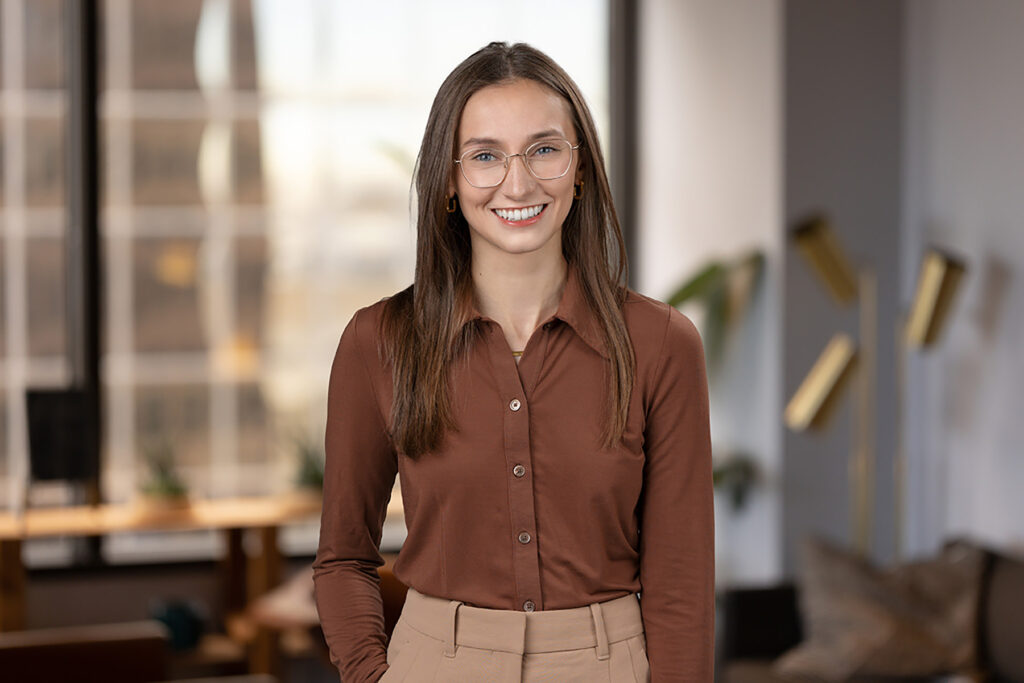
Nicole Mele
Category
Author

Time moves quickly, and every chapter of your story deserves to be beautifully documented. Whether you're welcoming a newborn, celebrating a milestone, or building your brand, I am here to make preserving these fleeting moments completely effortless. We’ll skip the stiff poses and focus on genuine connection and golden light. My goal is to provide a relaxed, unscripted experience that results in soulful, heirloom portraits you will cherish for a lifetime.
Contact Nicole
Capture Timeless Family Memories with a Stress-Free Photography Experience
Site credit
2026 © Nicole Mele Photography
Terms & conditions
Privacy Policy
Get in touch
I am a lifestyle photographer dedicated to capturing the honest, sun-drenched moments that tell your family's unique story. Based in North Haven, I proudly serve adventurous families, seniors, and couples throughout Connecticut, from the quiet beauty of the Litchfield Hills to the scenic New England shoreline. My goal is to provide a relaxed experience that turns your fleeting milestones into timeless, golden-hued legacies.
Nicole Mele
+1 (203) 415-1804
nicole@nicolemelephotography.com
BACK TO TOP
Useful links
Photography services
Locations

I am a lifestyle photographer dedicated to capturing the honest, sun-drenched moments that tell your family's unique story. Based in North Haven, I proudly serve adventurous families, seniors, and couples throughout Connecticut. My goal is to provide a relaxed experience that turns your fleeting milestones into timeless, golden-hued legacies.
